Protecting your home against burglaries requires first understanding how the risk has evolved. Data from the SSMSI shows that nearly 40% of break-ins in 2024 occur while at least one person is present in the home, compared to about 31% in 2022. This shift radically changes the nature of the measures to prioritize: protection is no longer just about prolonged absences, but also about the times when you are at home.
Burglaries in the presence of occupants: what the statistics reveal
Most home security guides operate under the assumption that the residence is always empty at the time of the break-in. Recent figures contradict this assumption.
| Indicator | 2022 | 2024-2025 | Trend |
|---|---|---|---|
| Share of break-ins in the presence of occupants | About 31% | Nearly 40% | Marked increase |
| Residential burglaries (full year) | – | 211,596 in 2025 | Decrease of about 3% year-on-year |
| Change since 2016 | – | – | Decline of nearly 15% |
| Month of July 2026 | – | 18,665 homes targeted | Increase of 7.1% year-on-year |
The overall volume has declined over several years, but the share of break-ins occurring in the presence of residents has significantly increased. This discrepancy has a direct practical consequence: a system that only deters during vacations no longer covers the full extent of the risk.
To explore the home solutions from Protect Habitation, it is useful to keep this data in mind, as it guides the choice between passive and active devices.
Locks, doors, and windows: physical reinforcement against quick intrusion
Burglaries mostly occur through the front door or ground floor windows. Reinforcing these two points significantly reduces the likelihood of a break-in compared to any single connected gadget installed alone.
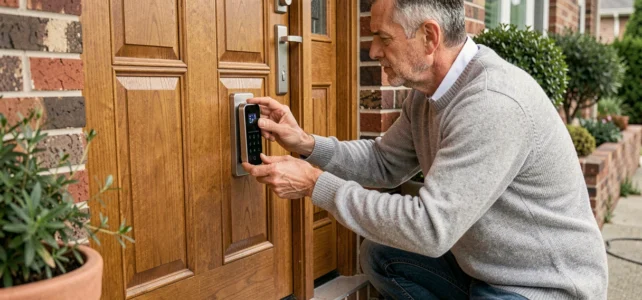
Certified A2P multi-point locks
A three or five-point locking system certified A2P withstands break-in attempts for several minutes. This delay is crucial: the majority of burglars abandon their efforts after three minutes of resistance.
Anti-burglary glazing and roller shutters
Windows equipped with laminated glass delay intrusion without blocking natural light. Aluminum roller shutters add a layer of mechanical resistance, especially at night or during short absences.
- A2P multi-point lock on the front door: the first investment to consider, as the door remains the main access point.
- Laminated glass on ground floor windows: delays break-in and reduces the noise of breaking glass, limiting the element of surprise sought by the intruder.
- Aluminum roller shutters with integrated lock: an additional physical barrier, effective even when you are sleeping.
These physical measures work without electricity, subscriptions, or internet connections. Their reliability does not depend on any remote server.
Alarm systems, motion detectors, and remote monitoring: comparing levels of protection
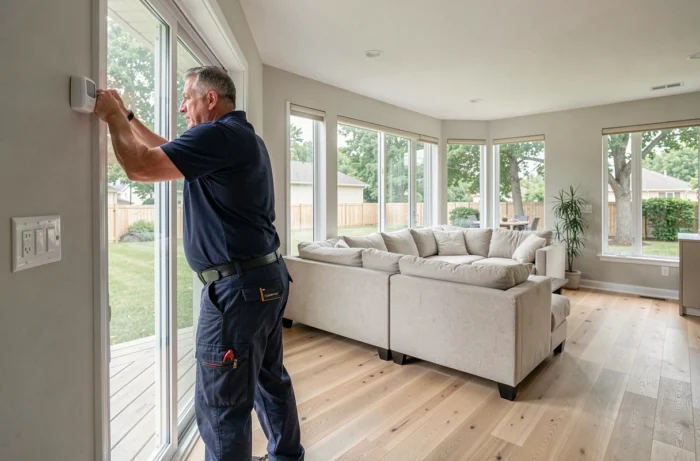
An alarm system does not replace physical reinforcement. However, it complements deterrence with an immediate response. The difference between a standalone alarm and a remote monitoring service lies in what happens after the alarm is triggered.
Local alarm without subscription
An indoor or outdoor siren alerts the neighborhood. The effectiveness entirely depends on the responsiveness of nearby individuals. In isolated areas, a siren alone has limited effect.
Remote monitoring with verification
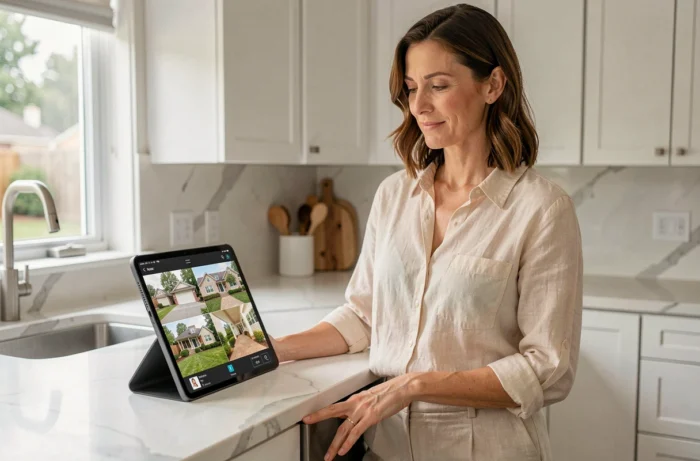
An operator verifies the nature of the alert (camera, microphone, sensor) before notifying law enforcement. This process, called verification, avoids unnecessary interventions and speeds up the response in the event of a confirmed intrusion. The monthly cost of a remote monitoring subscription varies by provider, but it represents a recurring expense to include in the budget.
Outdoor motion detectors coupled with automatic lighting provide an interesting middle ground. They do not require a subscription and create a visible deterrent effect as someone approaches the home.
Simulating presence and protecting your home on a daily basis
The increase in break-ins in the presence of occupants does not render presence simulation strategies obsolete. They remain relevant for short absences, weekends, and vacations.
Programmable presence simulators turn lights on and off according to random time slots. Some connected models can also control the television or radio. A home that appears occupied reduces the risk of being targeted during surveillance.
Some additional precautions change the perception a burglar has of your home:
- Never post your vacation dates on social media: it’s an absence signal exploited during prior surveillance.
- Ask a neighbor to collect your mail and vary the parking in front of your house.
- Remove suspicious marks (chalk lines, stickers) that may appear on your facade or mailbox, as they sometimes serve as codes among criminals.
Home confrontation: a risk to integrate into the protection strategy
When a break-in occurs in your presence, the priority shifts from protecting property to ensuring personal safety. Devices suitable for this scenario are rarely mentioned in standard guides.
A panic button connected to a remote monitoring service allows for a silent alert without confronting the intruder. Placed in the bedroom or near the bed, it offers a discreet response. The goal is to avoid any physical confrontation, which represents the main danger during a burglary in progress.
Planning a quick exit route from bedrooms, checking that the windows in those rooms open easily: these simple reflexes cost nothing and can make a difference in a situation where every second counts.
Protecting a home relies on a combination of physical barriers, alert devices, and daily behaviors. The figures for 2024-2025 show that the risk of intrusion in the presence of occupants is now the scenario to prioritize, not just prolonged absence. Adapting your equipment to this statistical reality is about protecting occupants as much as property.