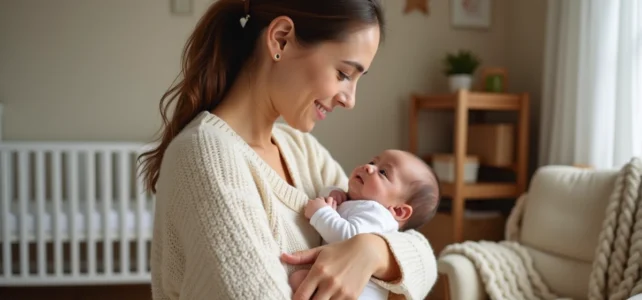
The development of a baby largely takes place through the micro-interactions of daily life: changing, bathing, feeding, and walking. These repeated gestures, when performed with attention and without distraction, build the foundation of a secure attachment between parent and child. Caring for an infant day by day relies less on the accumulation of materials or techniques and more on the quality of presence during these ordinary moments.
Additional Birth Leave 2026 and Parental Presence
Since July 1, 2026, the additional birth leave allows each parent to take one to two months of leave in addition to maternity, paternity, or parental leave. This provision covers employees, self-employed individuals, civil servants, and special regimes.
The covered period extends up to nine months after the birth or arrival of the child in the home. The leave can be split into one or two periods, which offers real flexibility to adapt to the baby’s rhythms, especially during growth spurts or sleep regression phases.
The stated goal of the provision is clear: to ensure increased and available presence with the baby in their first year. This availability changes the game for the well-being of the infant, as the first weeks after returning home are often when parents learn to decode cries, hunger signals, and sleep cycles.
Being able to consult Vive Mon Bébé online also helps find reliable references when questions accumulate about the health or development of the infant.
Baby’s Sensory Awakening: What Daily Gestures Build
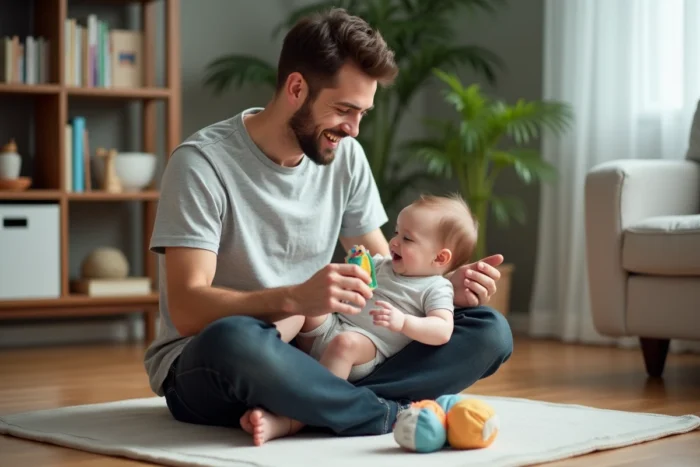
Recent research on the first months of life converges on one point: screen-free interactions during changing, bathing, and feeding are the most effective for stimulating awakening. Eye contact during feeding, the parent’s voice describing what they are doing while changing the diaper, the touch of warm water on the baby’s belly during bath time – each sensation nourishes sensory development and language.
Three accessible awakening levers for every parent in daily life:
- Verbally describing care gestures (naming body parts, water temperature, fabric texture) to stimulate language understanding long before the first words
- Varying positions during floor playtime – on the back, on the belly, on the side with support – to encourage gross motor skills and muscle tone in the neck and back
- Offering objects with different textures (wood, fabric, rubber) rather than flashy or noisy toys, which stimulate sight and touch without overwhelming the nervous system
A common trap is to multiply so-called educational toys. An infant benefits more from prolonged eye contact with their parent than from a sophisticated musical mobile. Fewer simultaneous stimuli produce better awakening.
Floor Time and Free Motor Skills
Placing the baby on a firm mat, without wedges or positioning cushions, allows them to explore their own movements. Rolling over, crawling, and then creeping arrive at varying ages from one child to another. Forcing a stage by sitting a baby who cannot sit alone may delay the acquisition of natural balance.
No Screens Before Three: A Concrete Issue for Infant Health
The recommendation of no screens before three years is not only about putting a tablet in a baby’s hands. It includes having the television on in the background, the smartphone used by the parent during breastfeeding or bottle-feeding, and videos shown to calm crying.
The background television noise disrupts the infant’s ability to isolate the human voice in their environment. This distinction is, however, the basis for language learning. A baby regularly exposed to electronic background noise shows signs of difficulty concentrating on speech sounds, which can hinder babbling and then the first words.
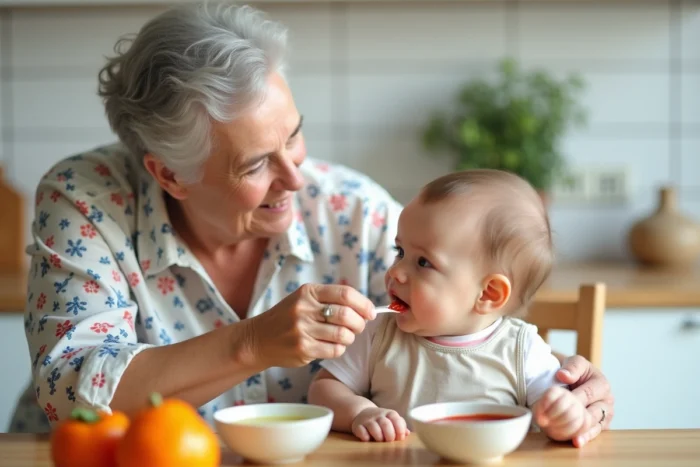
In practical terms, replacing the screen with silence or the parent’s voice is sufficient. During a meal, narrate what is happening on the plate. During a walk, name what the baby is looking at. Language is built through direct exchange, not passive listening.
Infant Sleep: Position, Environment, and Rhythm
Sleep occupies the majority of a newborn’s time and affects both their weight gain, health, and daytime mood. The back position remains the only recommended sleeping position, on a firm mattress without a pillow, blanket, bumper, or stuffed animal.
Setting Up the Room for Safe Sleep
The room temperature ideally ranges from eighteen to twenty degrees. A sleep sack appropriate for the season replaces the blanket. The crib should be placed away from windows and radiators, and no objects should be within reach of the baby’s face.
An infant’s sleep cycles are short and often fragmented at night for several weeks. Respecting this rhythm rather than trying to artificially extend it helps the baby self-regulate their falling asleep phases. Short rituals before bedtime (lullaby, skin-to-skin contact, dimming lights) create markers that the infant gradually associates with sleep.
Evening Cries and Agitation
Crying in the late afternoon, common between the second and twelfth week, does not necessarily signal a digestive problem or lack of milk. Carrying in a sling or ergonomic baby carrier, skin-to-skin contact, and gentle movement (rocking, walking) soothe most infants during these phases.
The umbilical cord, which usually falls off within the first two weeks, requires simple care: keep the area clean and dry, without applying antiseptic products unless prescribed by a doctor. A newborn’s stools change color and texture over the first few days, transitioning from blackish-green meconium to grainy yellow stools under breastfeeding.
Supporting a baby’s development and well-being daily relies on simple gestures repeated consistently. The new birth leave now provides the necessary time to establish these habits. The rest lies in the parent’s voice, gaze, and hands, three tools that no connected device can replace.