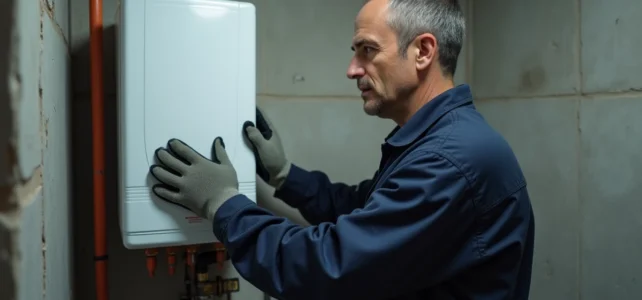
A thermodynamic water heater using ambient air captures the calories present in the air of the room where it is installed to heat sanitary water. This principle, derived from the air/water heat pump, imposes specific technical constraints related to the location, electrical circuit, and condensate drainage. Ignoring these constraints means installing a device that will operate in degraded mode, with an electric backup resistance constantly engaged.
Dedicated electrical circuit: the hidden constraint of the project
Installation guides often detail the volume of the room or the hydraulic connection. The compliance of the electrical circuit at the installation point is less documented, even though it conditions the actual feasibility of the project.
A thermodynamic water heater requires a dedicated electrical circuit protected by an appropriate circuit breaker, separate from the one supplying other devices in the room. In older homes, the electrical panel does not always provide for this line. It may then be necessary to run a cable from the panel, install a differential protection, and sometimes involve an electrician for broader compliance.
This work item modifies the budget and the schedule. In a project to replace a traditional electric water heater, the electrical part can represent a significant portion of the total cost if the existing circuit does not meet current standards. Anticipating this point before ordering the device avoids unpleasant surprises on the installation day. To fully understand the installation constraints of a thermodynamic water heater using ambient air, this electrical check should be at the top of the list.
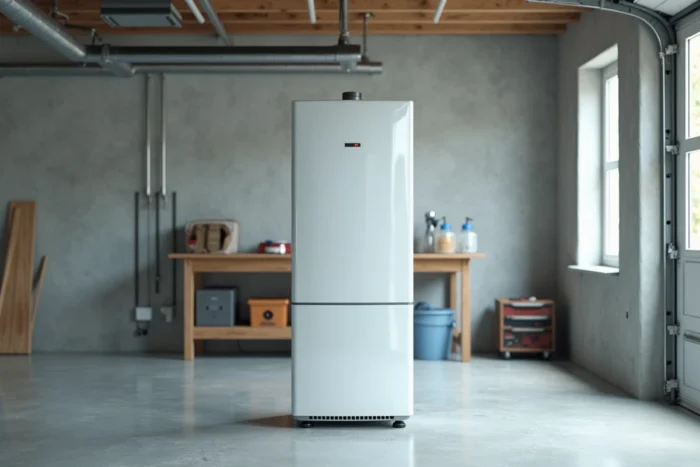
Temperature and ventilation of the installation room
The minimum volume often cited for installing a thermodynamic balloon using ambient air is around twenty cubic meters. This data, repeated everywhere, masks a more determining parameter: the actual temperature of the room throughout the year.
A device using ambient air draws air from the room, extracts calories, and then expels cooled air. If the room regularly drops below 5 °C in winter (uninsulated garage, pantry exposed to the north), the compressor struggles to operate. The electric backup resistance takes over, and consumption rises to the level of a traditional water heater.
Ventilation and air renewal
A closed room without fresh air supply poses another problem. The device circulates a limited volume of air, lowering its temperature with each cycle. Without renewal, the room gradually cools down, and efficiency drops.
- The room must have natural ventilation or openings allowing sufficient air renewal, without creating a direct cold draft on the device.
- A room already used for other purposes (boiler room, laundry with dryer) may see its temperature and humidity fluctuate, which degrades the performance of the thermodynamic balloon.
- If the room communicates with heated areas of the home, the water heater indirectly draws from the heating energy, reducing the actual savings on the overall bill.
A temperate, ventilated, and unheated room remains the optimal compromise for this type of installation.
Condensate drainage: a neglected feasibility criterion
The thermodynamic operation produces condensation, like an air conditioner. This water must be drained continuously. In the absence of a nearby drainage point (floor drain, accessible pipe), the installer must plan for a specific connection, or even a lifting pump if the balloon is installed in the basement.
The drainage of condensates often determines the final location of the device in the home. A garage without floor drainage requires running a pipe to the sewage network, adding plumbing work to the initial project.
In an apartment, the situation becomes more complicated. The connection to existing drains depends on the configuration of the technical column. In some cases, the absence of a reasonable drainage solution makes the installation using ambient air simply unsuitable for the home.
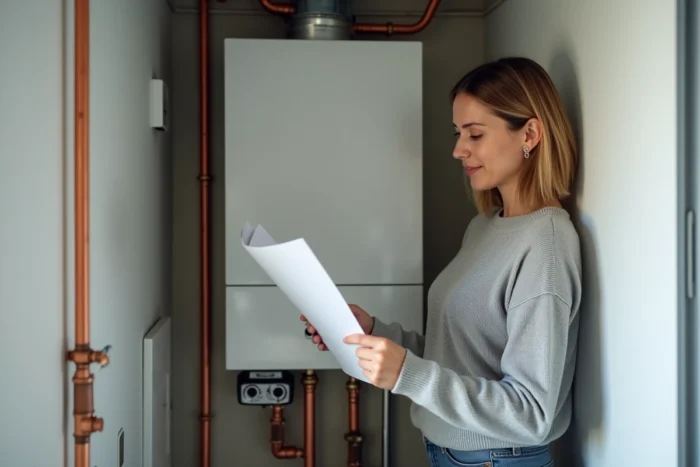
Noise nuisances and acoustic constraints in co-ownership
A thermodynamic water heater includes a compressor and a fan. The noise level varies by model, but it remains perceptible, especially during nighttime operation (off-peak hours).
In a single-family home, noise rarely poses a problem if the device is installed in a garage or pantry away from bedrooms. In an apartment, acoustic transmission through walls and floors changes the situation. The vibrations from the compressor propagate through the building structure and can generate complaints from neighbors.
Before any installation in co-ownership, two points deserve particular attention:
- The co-ownership regulations may impose restrictions on equipment generating noise or vibrations in private areas.
- The positioning of the device must consider the proximity of bedrooms, including those of neighboring apartments, and provide for anti-vibration pads or a support decoupled from the floor if necessary.
- The choice of model matters: some devices have significantly lower noise levels than others, a criterion to integrate from the selection stage and not just at installation.
Thermodynamic water heater using ambient air: for what type of housing
Not all configurations are suitable for this type of device. A house with a garage or ventilated pantry offers the most favorable conditions: sufficient volume, moderate temperature, accessible drainage, distance from living areas.
An apartment can accommodate a thermodynamic balloon using ambient air, but the constraints accumulate: limited space, complex condensate drainage, noise in co-ownership, electrical circuit rarely up to standards. In this case, a model using extracted air (connected to the VMC) or outside air (with duct passing through the wall) may prove more suitable, even if these alternatives have their own limitations.
The choice of air capture mode should not be made by default. It results from a diagnosis of the room, the electrical network, the available drainage, and the acoustic environment. A properly sized device but poorly positioned will consume more than a traditional water heater, which negates the economic and ecological interest of the project.